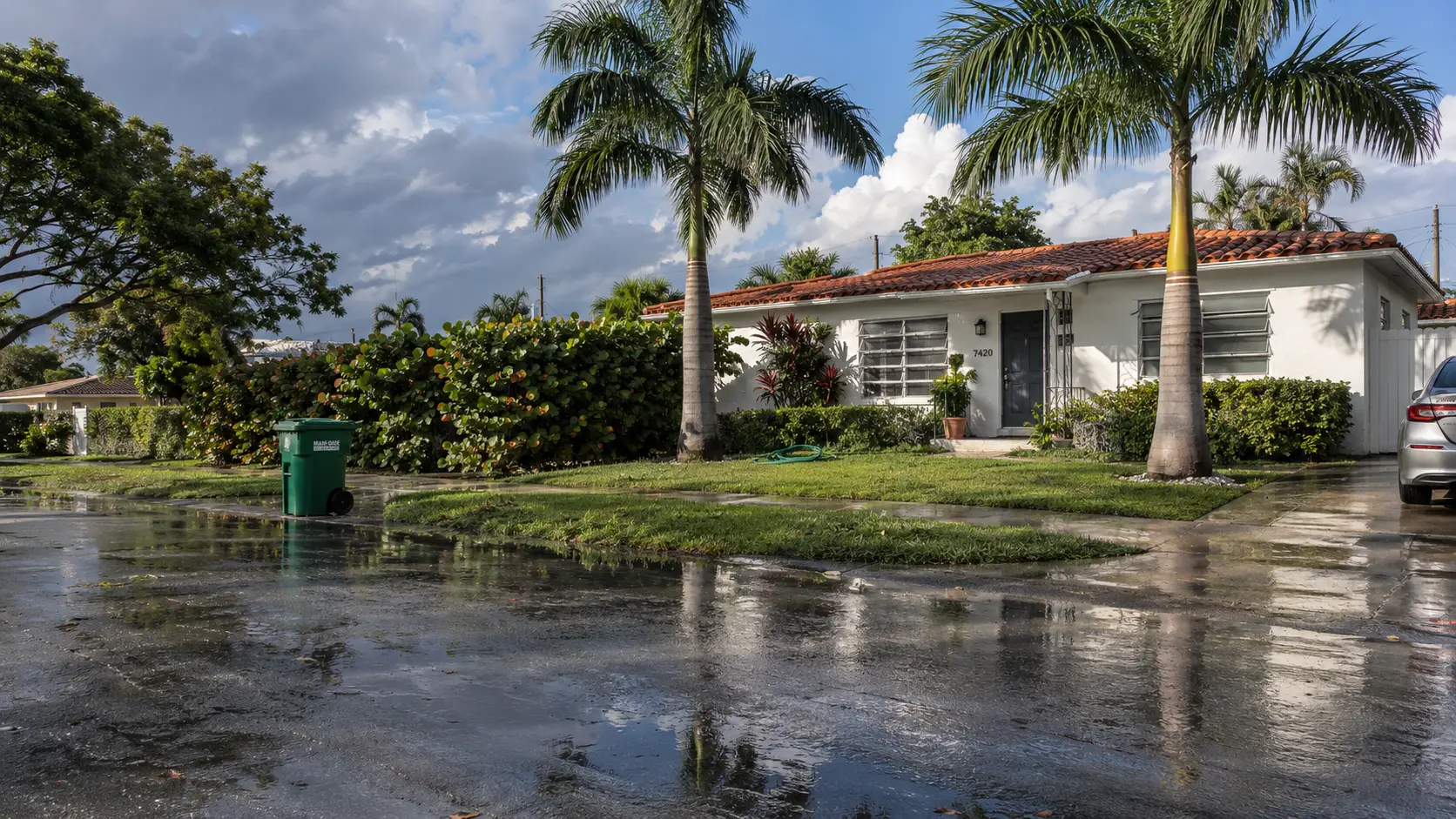
Water damage restoration · Miami, Florida
Water damage restoration in Miami
Burst pipe, leaking water heater, storm water or a sewage backup? Call us for water removal, drying and cleanup, and we will connect you with a local restoration crew that serves your address.
Services
Water damage restoration services in Miami
We take calls from homeowners, condo owners, renters, landlords, property managers and businesses across Miami-Dade. Call and we will connect you with a local restoration crew that serves your address.
Water removal and extraction
Standing water from burst lines, water heaters and storms, taken out so drying can start.
Structural drying
For the water left in drywall, framing, cabinets and floors after the standing water is out.
Mold remediation and removal
Mold after a leak or flood, and when Florida’s mold licensing rules apply.
Sewage backup cleanup
Toilet and drain backups handled as contaminated water, not a mop-up.
Flood damage restoration
Storm surge, rain and rising water that got inside during Miami storms and hurricanes.
Leaks and burst pipes
Supply lines, water heaters, AC drains and leaks from the unit above: who fixes the leak and who handles the damage.
How it works
How water damage restoration works when you call
- 01
Call us
Tell us what happened, where the water came from and your address.
- 02
We connect you
We connect you with a local restoration crew that serves your address.
- 03
Inspection
The crew inspects and determines the category of water before setting the scope, as the industry’s S500 standard describes. (IICRC)
- 04
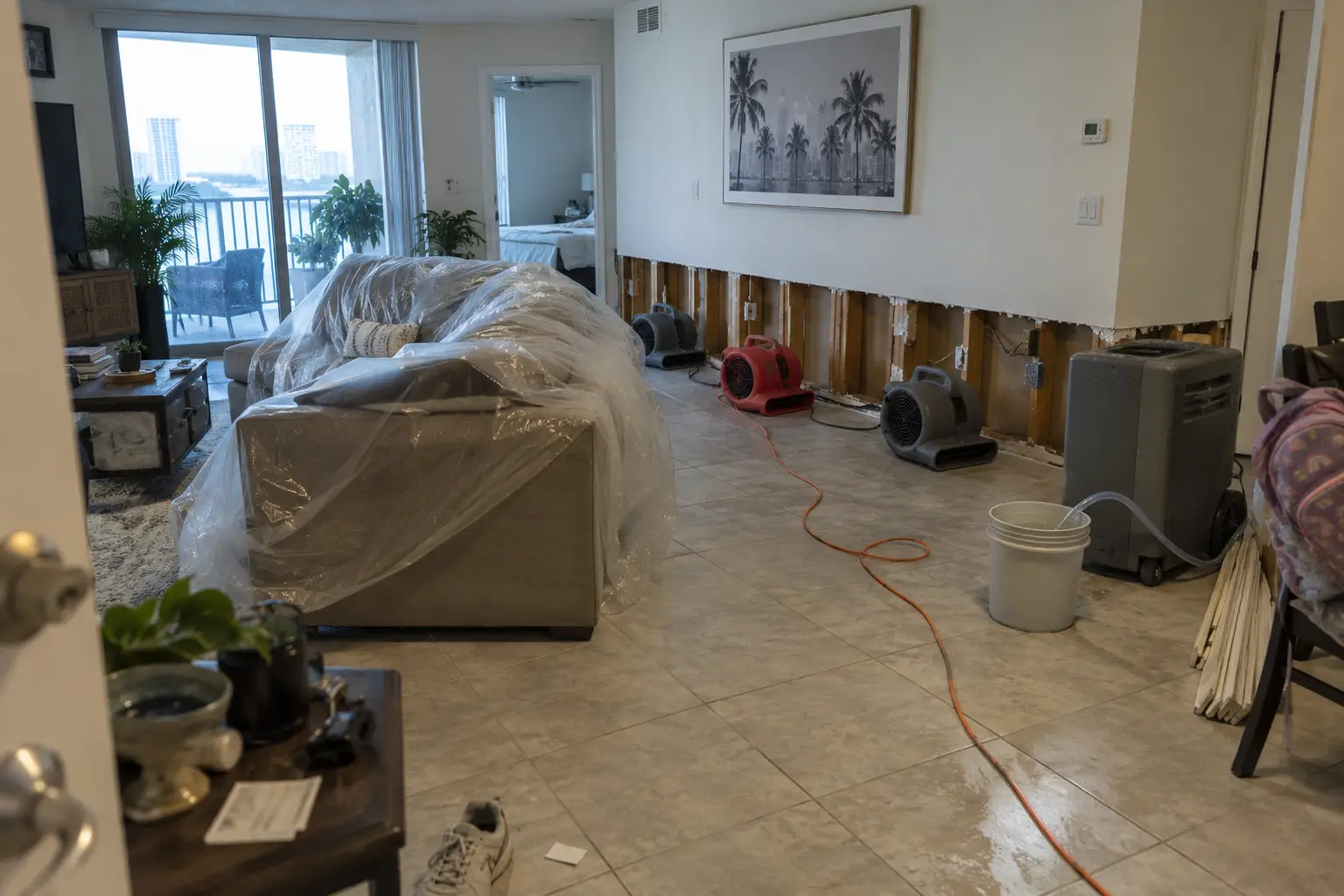
Removal and drying
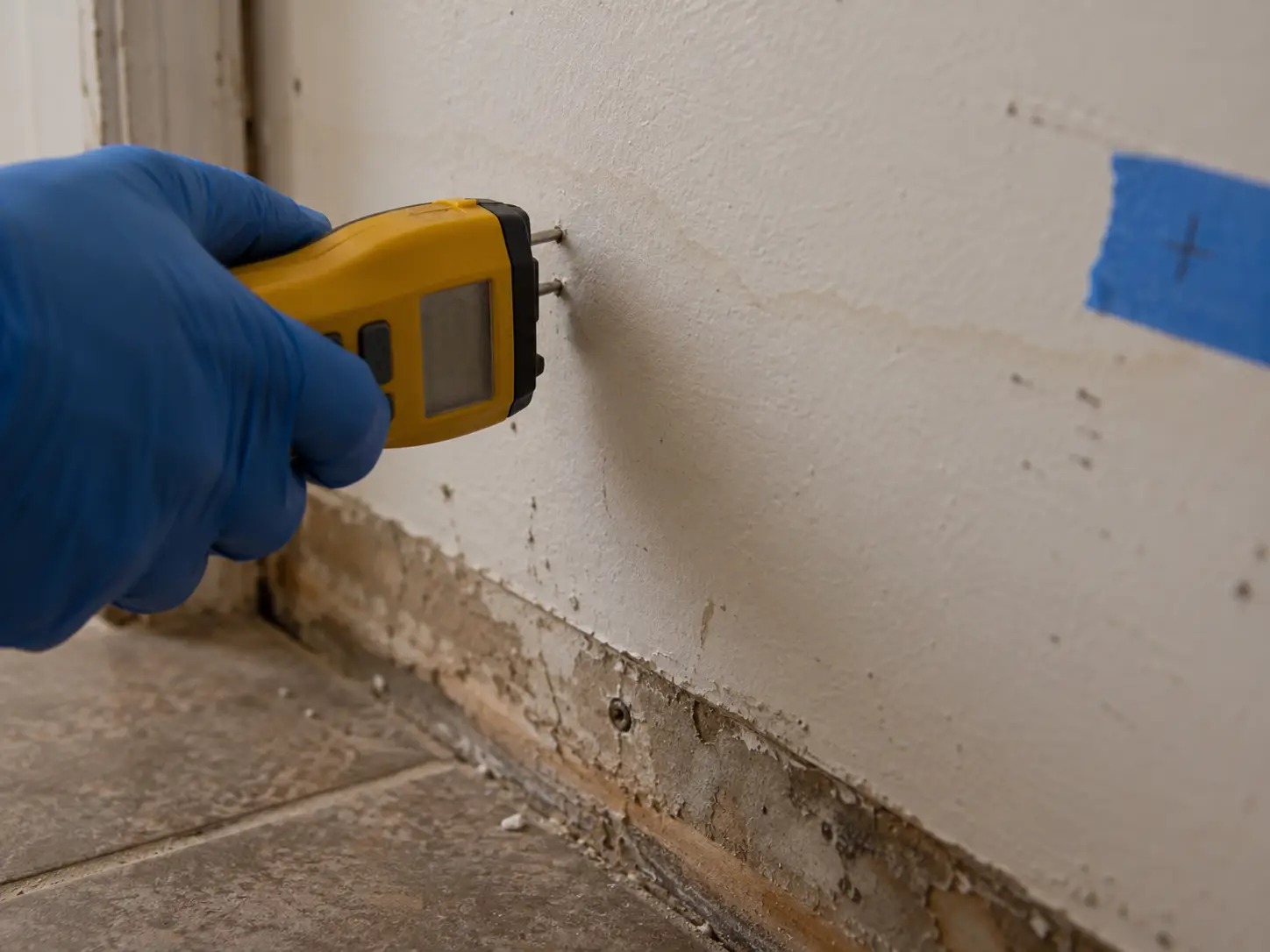
The water comes out, then the drying. EPA says materials should read 15% or less on a moisture meter before refinishing; ask how the crew will measure it. (EPA)
Ask the crew whether its estimate covers cleanup (water removal, drying and cleaning) only or repairs (new drywall, flooring or cabinets) too, and whether repairs are a separate contract. Our cost guide explains mitigation and repairs on the bill.
Causes
Common causes of water damage in Miami homes and condos
The Florida Department of Health lists the moisture sources behind indoor water problems in Florida buildings. (Florida Department of Health) Each one leads to a different kind of job:
| Where the water comes from | What it usually means | Read more |
|---|---|---|
| Broken pipes, supply lines, water heaters | Water to remove and dry quickly | Leaks and burst pipes |
| Air conditioner drain pans and condensation | Overflow and condensation that feed mold growth | AC drain pans |
| Overflowing toilets and sewer lines | Category 3 water, handled as contaminated (IICRC) | Sewage backup cleanup |
| Storm water, storm surge and roof or wall leaks | Category set by what the crew observes (IICRC) | Flood damage restoration |
| The unit above, in a condo | Association and unit owners share responsibility (Fla. Stat. 718.111) | Leaks from the unit above |
| Any of these, left wet | Mold, once materials stay wet past 24 to 48 hours (EPA) | Mold remediation and removal |
The first 24 to 48 hours
Why the first 24 to 48 hours matter
EPA advises drying water-damaged areas and items within 24 to 48 hours to prevent mold growth. (EPA) Until the crew arrives:
- Stay out of water near outlets or cords; turn power off only from a dry spot. (CDC)
- Stop the source if you can do it safely.
- Photograph every wet room before anything moves, and keep receipts. (Fla. Stat. 627.7142)
- Keep people out of sewage or flood water. (CDC)
Condos and high-rises
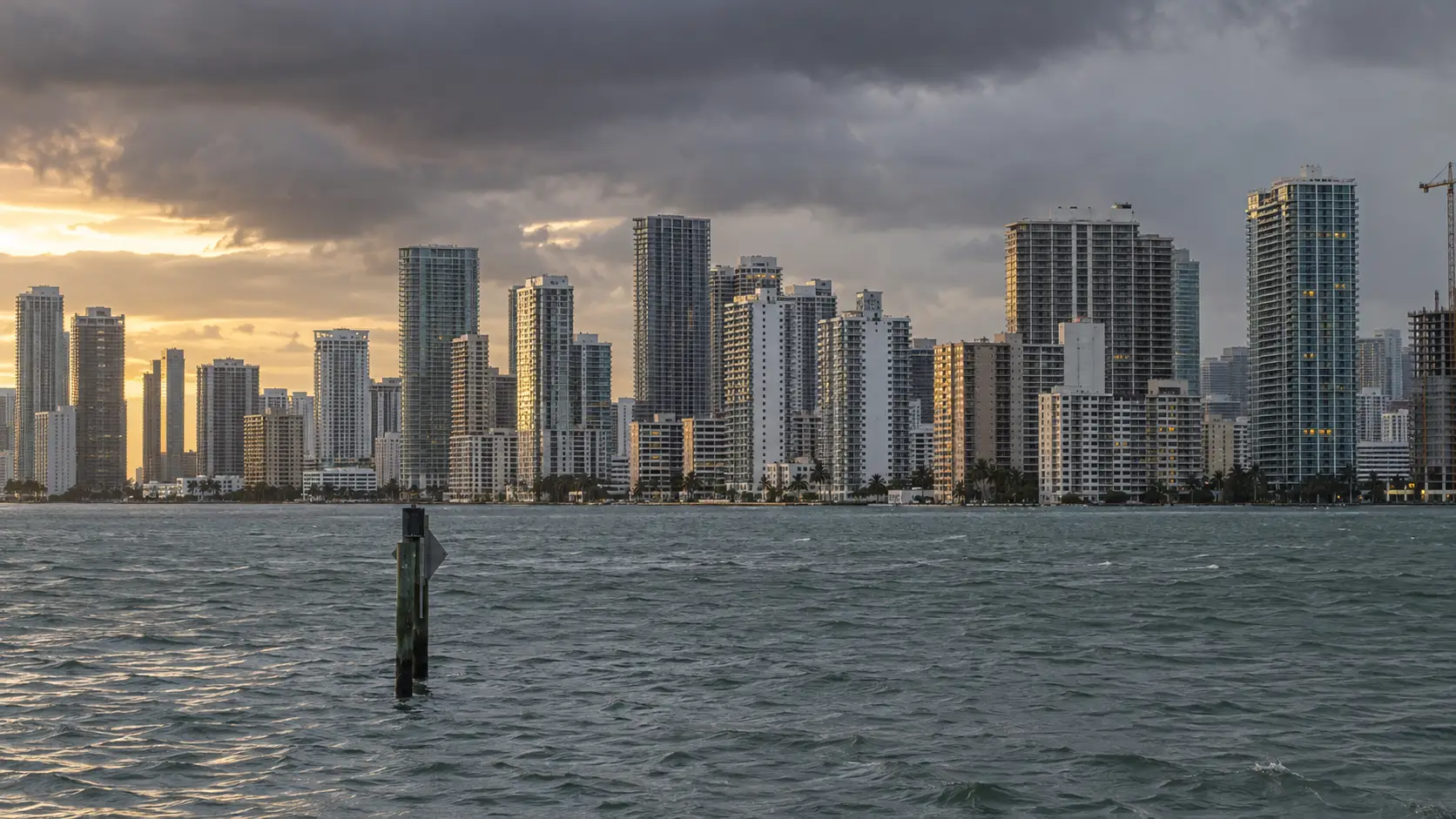
Water damage in Miami condos and high-rises
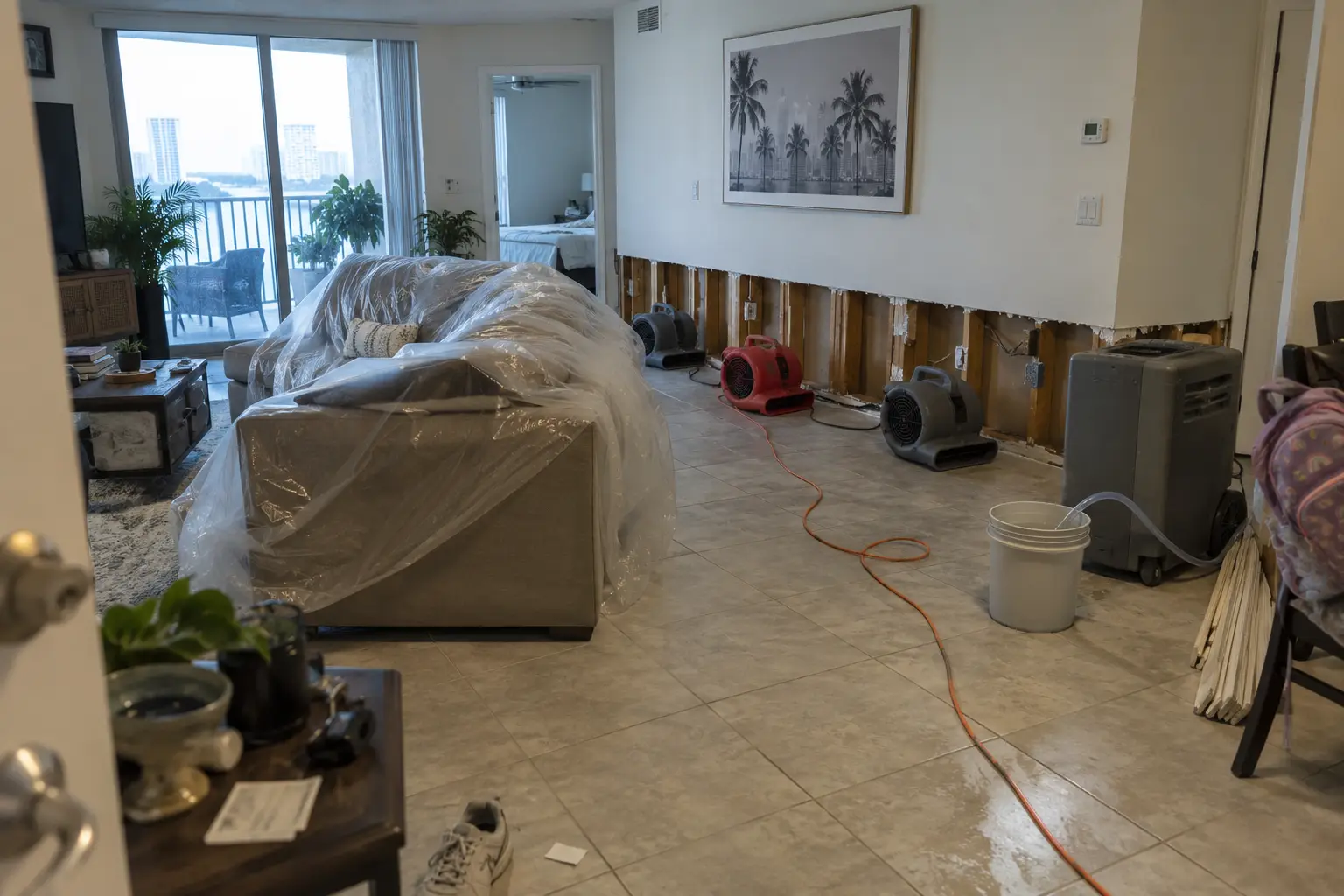
In a Florida condo, the association’s property insurance covers the building as originally built, but it excludes items inside a unit such as floor, wall and ceiling coverings, appliances, water heaters and built-in cabinets; those are the unit owner’s to insure. After a loss, the association undertakes reconstruction unless the board gives written consent for an owner to do work in the unit. (Fla. Stat. 718.111)
Tell building management right away and photograph the water path. What happens when the condo above leaks
Hurricane season
Hurricane season and flood water
The Atlantic hurricane season runs from June 1 to November 30, with the peak around September 10. (NOAA NHC) Homeowner’s insurance policies do not cover flooding, and a flood policy typically takes up to 30 days to take effect. (Ready.gov)
Rising flood water and seawater are handled as contaminated water. Flood damage restoration in Miami
Mold
Mold after water damage in Miami
Mold needs moisture to grow, and the Florida Department of Health calls controlling moisture the key to stopping it indoors. (Florida Department of Health) Professional remediation of mold covering more than 10 square feet is licensed work in Florida, so ask for the remediator’s license number before work starts. (Fla. Stat. 468.8411)
Cost
What water damage restoration costs
We do not publish Miami price averages because we found no dated, sourced figure. The bill follows the scope: how much area got wet, the category of water, which materials soaked it up, how many days drying takes, and whether repairs are part of the job. Ask for an itemized written estimate before work starts.
Your insurance claim
Records that help your insurance claim
Florida’s Homeowner Claims Bill of Rights tells you to document emergency repairs, keep the damaged property if feasible, keep receipts, and photograph damage before and after repairs. It also lets you get a copy of any detailed estimate your insurer’s adjuster prepares, within 7 days after it is generated. (Fla. Stat. 627.7142)
What drives a restoration estimateService area
Areas we serve in Miami-Dade
Miami · Miami Beach · Brickell · Downtown Miami · Edgewater · Wynwood · Little Havana · Coral Gables · Coconut Grove · Key Biscayne · South Miami · Pinecrest and more.
Neighborhood pages with local flood records: Downtown Miami · Brickell · Edgewater
Tell us your address when you call and we will confirm a crew covers it.
All areas we coverQuestions
Water damage restoration in Miami: common questions
Straight answers about who comes, how fast, insurance, condos and mold.
Call (305) 555-0123Who will come to my home?
A local restoration contractor that serves your address. Miami Water Restorations answers your call and connects you; the contractor performs and invoices the work.
How fast can someone get here?
Tell us your address when you call and ask. Arrival depends on the crew covering your area at that time.
Do you work with my insurance?
Ask the crew how it bills before work starts. Keep photos and receipts either way; Florida’s Homeowner Claims Bill of Rights says you can get a copy of your insurer’s detailed estimate within 7 days after its adjuster generates it.
Can you handle mold?
Yes, through crews that do mold work. In Florida, professional remediation of more than 10 square feet of mold is licensed work, so ask for the remediator’s license number before it starts.
Does homeowners insurance cover flood damage?
Usually not. Ready.gov says homeowner’s policies do not cover flooding, and the Florida Division of Emergency Management says to check your policy rather than assume.
Who pays when water comes from the condo above?
Under Florida law the association repairs insured condominium property damaged by an insurable event, unit owners insure items inside their unit such as floor coverings and cabinets, and an owner whose negligence caused the damage is responsible for costs insurance does not pay.
Will I be asked to sign over my insurance benefits?
For residential property policies issued on or after January 1, 2023, Florida law says post-loss insurance benefits may not be assigned. Read anything that mentions assignment carefully before you sign.
Guides
Decisions after water damage
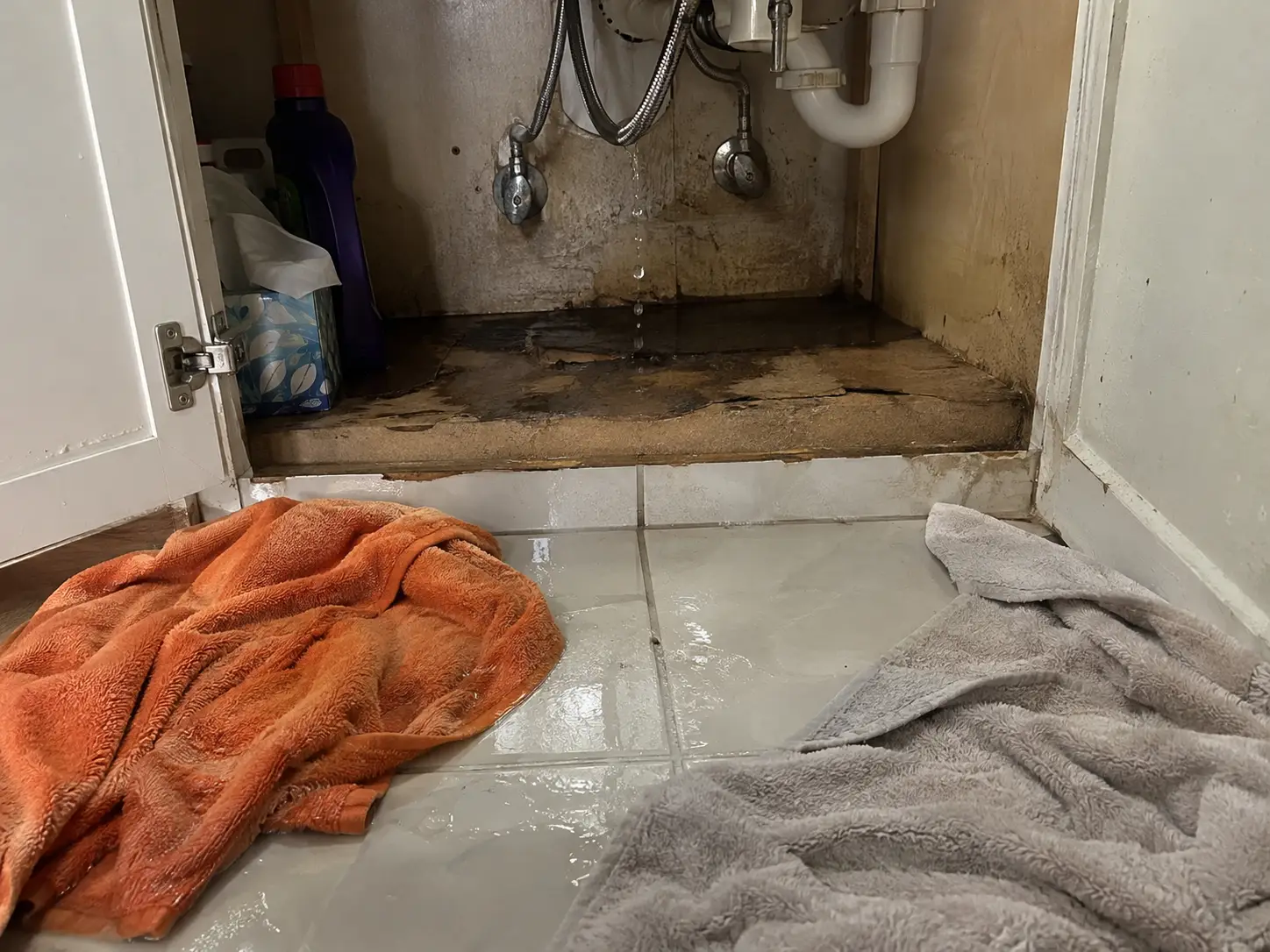
What to do after water damage
Safety first, then stopping the water, documenting the damage and deciding when to call a professional.
How to choose a water damage company
Service area, capabilities, Florida license and business-record checks, estimates, and a call checklist.
Water damage restoration cost
What an estimate covers, what changes the scope, and a worksheet for comparing two estimates line by line.